


The Flavors of the Coast: What Makes Mexican Seafood Unique?
Mexican seafood is a celebration of coastal flavor, fresh ingredients, and bold culinary traditions. From bright ceviche to smoky grilled fish, every dish tells a regional story. Join J. Anthony’s Seafood Café as we explore the vibrant mariscos that make Mexico’s coastline unforgettable.
J. Anthony's Seafood Café
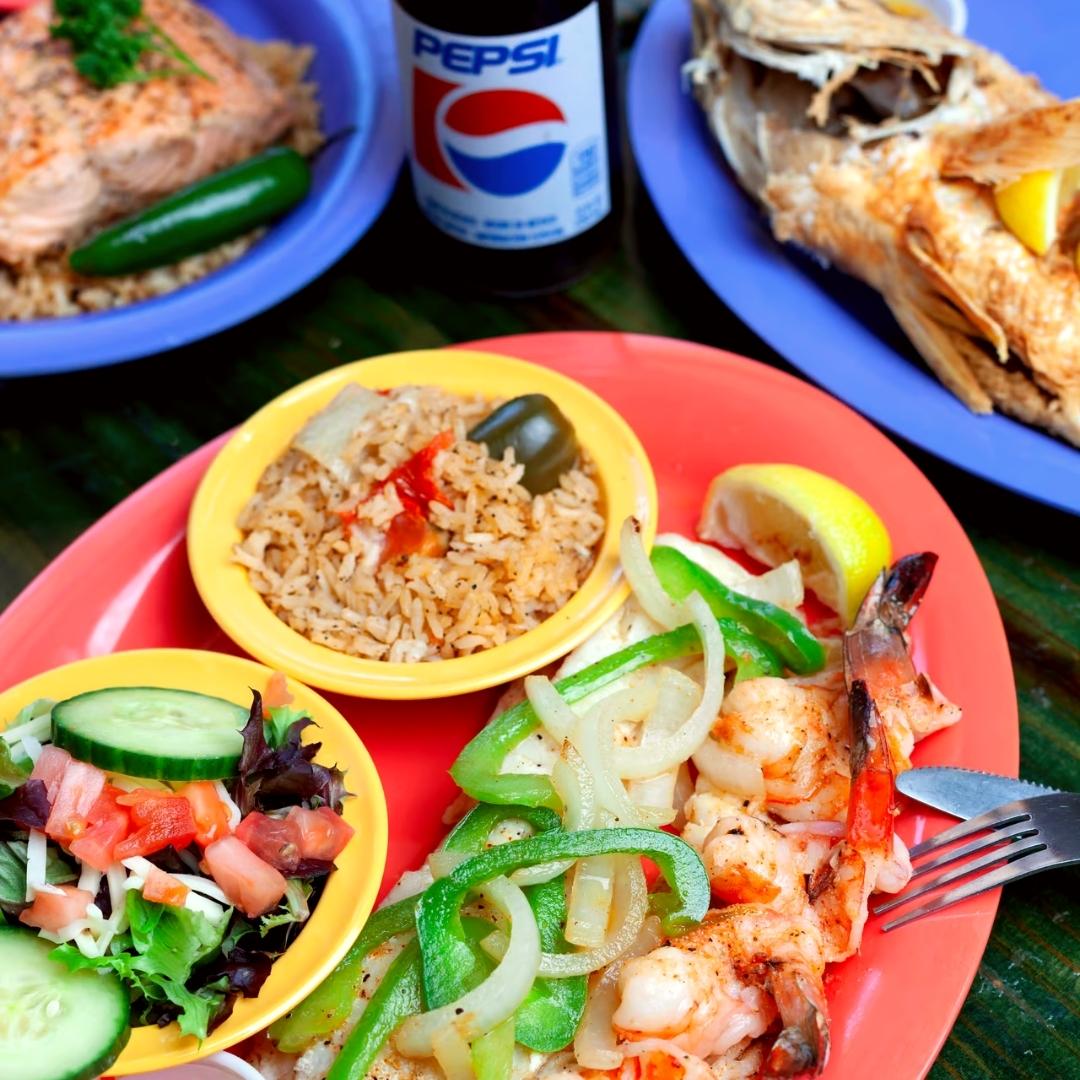
Mexican seafood, or mariscos, represents one of the most dynamic and flavorful branches of Mexico’s culinary heritage. Stretching from the Pacific shores to the Gulf of America and the Caribbean coast, the country’s coastal cuisine is deeply influenced by geography, indigenous traditions, and the natural richness of the sea.
At J Anthony’s Seafood Café, we take great inspiration from these coastal regions, bringing the bold, citrus-forward, chile-infused flavors of Mexican mariscos to our menu. Understanding what makes Mexican seafood truly unique requires exploring its regional diversity, dedication to freshness, signature ingredients, iconic dishes, and the cultural history that shaped it. Each of these elements contributes to a cuisine that is as vibrant as the ocean itself.
Regional Diversity: A Coastline of Contrasting Flavors
Mexico’s vast coastline is the foundation of its diverse seafood traditions, and each region brings its own culinary identity shaped by local waters and cultural influences. Along the Pacific Coast, particularly in Baja California and Sinaloa, seafood dishes often highlight raw or lightly cooked preparations, reflecting the region’s access to exceptionally fresh fish and shellfish.
Here, ceviche and aguachile dominate, showcasing bright lime, crisp vegetables, and fiery chiles that create refreshing, high-acidity flavors. Moving toward the Gulf Coast, especially in Veracruz, the culinary profile shifts toward Mediterranean-inspired sauces, tomatoes, olives, capers, and herbs, resulting in dishes like Huachinango a la Veracruzana, which balances ocean sweetness with rich, savory notes.
On the Yucatán Peninsula, the influence of Mayan traditions and tropical ingredients creates a distinct seafood landscape, where dishes incorporate sour oranges, habanero peppers, and regional specialties such as conch ceviche and pan de cazón. This regional diversity is what makes Mexican seafood cuisine unlike any other, offering a spectrum of experiences depending on the coast you explore.
Freshness as a Philosophy: Letting the Ocean Speak
Freshness is more than a preference in Mexican coastal cuisine — it is a defining philosophy. Mexican seafood traditions rely heavily on ingredients that are caught and prepared the same day, creating an immediacy of flavor that can only come from the ocean. Fishermen deliver their catches directly to coastal markets each morning, and cooks select ingredients based on what the sea provides, rather than adhering to rigid recipes. This approach leads to dishes that feel alive, clean, and deeply connected to their source.
Ceviche, one of Mexico’s most iconic seafood preparations, exemplifies this philosophy by “cooking” the fish or shrimp only in lime juice, allowing the natural sweetness and delicate texture of the seafood to remain at the forefront. Even heartier preparations, like seafood soups, brothy stews, and rice dishes, rely on minimal cooking times and simple aromatics so that the essence of the sea remains the star. This dedication to freshness is part of what sets Mexican mariscos apart and why seafood lovers around the world seek out these coastal flavors.
Citrus, Chiles, and Coastal Produce: The Signature Flavor Profile
The flavors most associated with Mexican seafood are the vibrant acidity of citrus and the dynamic heat of fresh and dried chiles, which together form the unmistakable backbone of coastal cuisine. Lime juice is used abundantly not only as a marinade but also as a seasoning, enhancing the natural brine of fish and shellfish and balancing richer flavors like garlic and olive oil.
Chiles — including serrano, jalapeño, habanero, and chiltepin — play an essential role in giving Mexican seafood its signature character, adding layers of heat, fruitiness, and earthiness depending on the region. Along warm coastal areas, tropical ingredients like mango, pineapple, coconut, and plantain often appear in salsas, marinades, and ceviches, where they provide sweetness and contrast to the acidity and spice.
The interplay between citrus, heat, and fresh produce creates a bold, refreshing, and deeply satisfying flavor profile. This combination is the hallmark of dishes like aguachile, tropical ceviche variations, shrimp cocktails, and seafood tostadas — staples that continue to define Mexican coastal dining today.
Iconic Seafood Dishes That Define Mexican Coastal Cuisine
The uniqueness of Mexican seafood becomes especially clear through its iconic dishes, each shaped by region and tradition yet unified by the country’s coastal identity. Ceviche, in its many regional variations, remains one of the most recognized dishes, blending fresh fish or shrimp with lime, cilantro, tomato, onion, and chiles. Aguachile, a spicier cousin of ceviche, relies on a raw chile-lime puree that intensifies both acidity and heat, creating a dish that is as invigorating as it is fiery. Veracruz-style fish represents a distinct tradition, marrying seafood with Spanish-inspired flavors, while rich seafood soups like caldo de siete mares offer warmth and comfort, featuring a mix of fish, shellfish, and aromatic broth. Grilled and smoked seafood preparations, such as pescado zarandeado from Nayarit, add a wood-fired dimension that highlights the coastal reliance on outdoor cooking. Each of these dishes demonstrates Mexico’s ability to elevate simple, fresh ingredients into deeply flavorful masterpieces, reflecting the spirit of the coast in every bite.
Cultural Heritage and Coastal Traditions: The Roots of Mariscos
To understand why Mexican seafood tastes the way it does, one must look to the cultural and historical influences that shaped its evolution. Indigenous coastal communities established the earliest mariscos traditions through fishing, hunting underwater species, and preparing seafood with native herbs, chiles, and cooking methods passed down through generations. The arrival of Spanish colonists introduced new ingredients and techniques that blended seamlessly with local traditions, giving rise to hybrid dishes that remain iconic today. Trade routes, immigration, and evolving coastal lifestyles continued to expand the seafood repertoire, bringing everything from Mediterranean flavors to Asian frying techniques that influence modern favorites like Baja-style fish tacos. At the heart of it all is the coastal way of life — a culture that values connection to the ocean, communal cooking, and meals enjoyed outdoors with family and friends. This heritage is woven into every seafood dish, creating a cuisine that is both historically rich and constantly evolving.
Bringing Coastal Mexico to J. Anthony’s Seafood Café
At J. Anthony’s Seafood Café, we take pride in honoring these coastal traditions by embracing the bold, vibrant, ocean-fresh flavors that define Mexican seafood. Our dishes are inspired by the same foundational elements — regional diversity, fresh ingredients, citrus-driven marinades, and dynamic chile profiles — that make mariscos one of the most beloved cuisines in the world. Whether you're craving the tang of a bright ceviche, the heat of aguachile, or the comforting depth of a coastal seafood stew, we aim to bring the authentic flavors of Mexico’s coastline to your table. By blending tradition with creativity, we invite you to experience the essence of Mexican seafood as it was meant to be: fresh, lively, and unforgettable.